Are you expecting to buy a property in Spain this year? Then you’re not only at the start of an exciting adventure, but also at the beginning of a solid investment. The Spanish property market remains strong, also for international buyers, but the way you should look at homes has changed. In this blog, we share the key tips and insights you need when buying a property in Spain in 2026.
7 tips and insights for buying a house in Spain in 2026
1. The market continues to grow… but not everywhere equally
Across Spain, property prices are still rising. Experts predict an average increase of around 5 to 10% in 2026, driven by a structural shortage of supply and consistently high demand.
But growth varies by region:
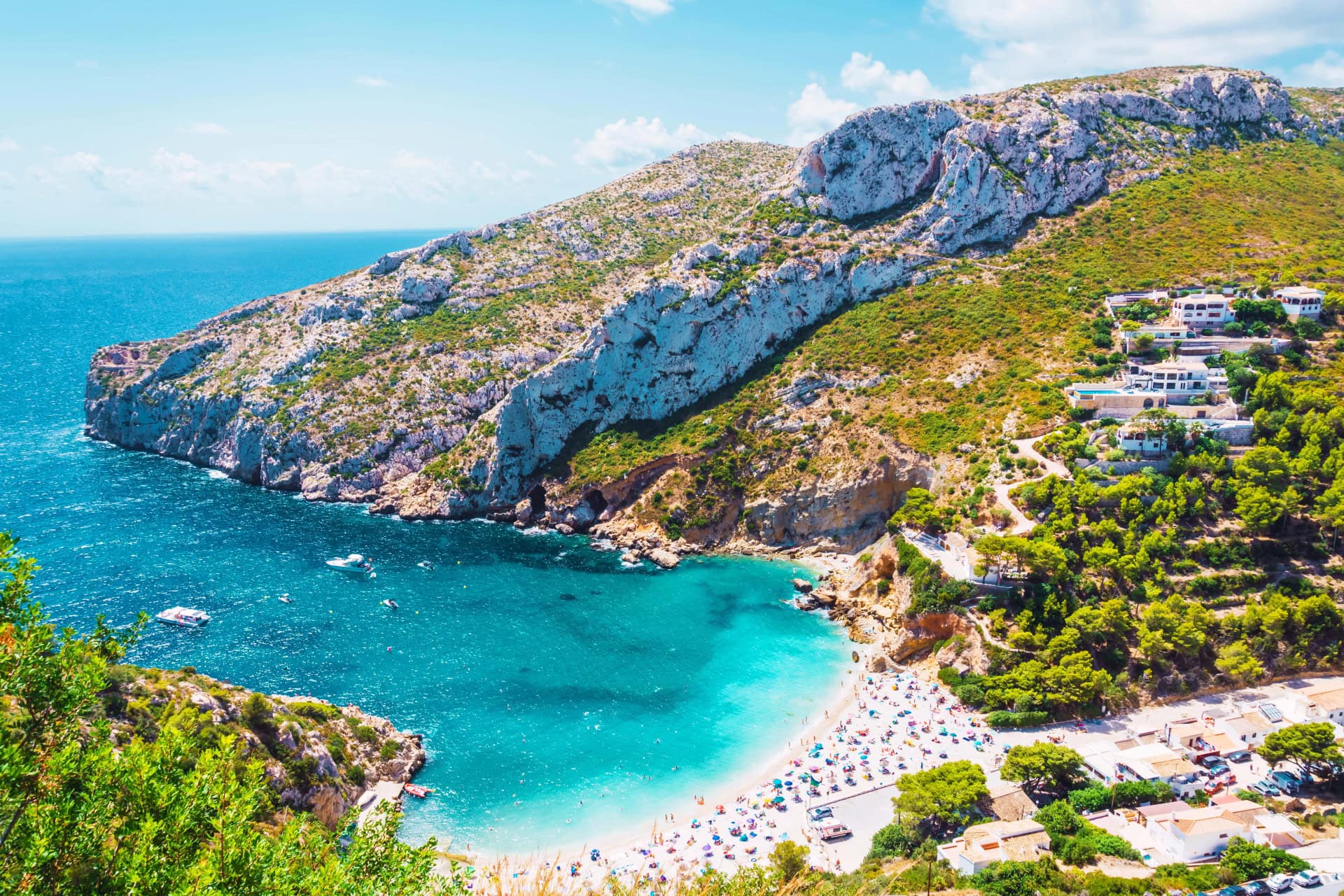
- Popular coastal areas such as the Costa Blanca, Costa del Sol and the Balearic Islands remain the strongest performers.
- Major cities like Madrid, Barcelona and Valencia also see ongoing demand due to tourism and employment opportunities.
In some segments, this means that what you expected to find around 300,000 – 400,000 euros may turn out smaller or less ideally located than anticipated, simply because price pressure is felt across many regions. This requires flexibility in your preferences and a willingness to make targeted compromises.
2. Location increasingly determines long‑term value
The classic rule still applies: location, location, location. But in 2026, it goes beyond proximity to the sea or having a sea view. It’s also about:
Accessibility and amenities
Good connections to airports, shopping centres, healthcare, schools and restaurants make a location more attractive and more future‑proof.
Regions with a strong balance between living and working
Cities like Valencia and Málaga, as well as established coastal zones with well‑developed infrastructure, tend to hold their value better. That’s because living, working and daily amenities can be combined easily and efficiently.
3. Energy efficiency is no longer a luxury, it’s a must
A major trend for 2026: energy‑efficient homes are gaining ground.
Why?
- Lower living costs: insulation, modern heating/cooling systems and energy certifications reduce monthly expenses.
- Future‑proofing: new regulations on energy labels and higher standards mean well‑insulated homes appreciate faster and remain rentable and sellable in the future.
- Higher rental demand: more tenants are seeking comfortable, long‑term affordable homes.
This also explains the rising demand for new‑build properties. You know they meet the latest building standards and are fully “future proof,” especially with upcoming regulatory changes. Plus, new builds offer peace of mind: no major maintenance for years to come.
4. Think ahead: no hype, but long‑term planning
Where many buyers once chased quick profits or short‑term rentals, the focus in 2026 has clearly shifted to long‑term thinking:
→ What will this home mean for my lifestyle in 10 years?
→ How will the neighbourhood develop?
→ Will the home remain practical and comfortable in the long run (age‑friendly)?
→ Will it stay attractive to future buyers or tenants?
This mindset ensures you’re not just buying a house, you’re making a stable, long‑term investment in a market where demand continues to exceed supply.
5. Cheap can become expensive
A low purchase price doesn’t automatically make a property a good investment. If a home is difficult to resell, it may cost you money in the long run. A bargain should always raise the question: why is it priced so low, and how easy will it be for me to sell later?
A property is only a good purchase if it’s also resellable. An unusually low price can be tempting, but it’s often a sign to look more critically.
6. Regional hotspots you should know
Spain is large and every region has its charm, but recent data shows several areas that remain particularly attractive in 2026:
Coastal and Mediterranean regions
- Costa Blanca: stable value growth, especially in established coastal towns and golf areas.
- Costa del Sol: highly popular with international buyers, strong price development.
- Costa Cálida: growing rapidly, offering more new‑build opportunities at lower entry prices.
Major cities
- Valencia: a strong mix of city life, seaside living and affordability.
- Barcelona and Madrid: higher price pressure, but continued global appeal.
There are also exciting opportunities outside the most popular zones, though these may require more planning regarding infrastructure and accessibility.
7. Buying in 2026 requires realistic expectations
Looking for a home around €300,000 – €400,000 in Spain? It’s still possible. Think smaller city apartments, interesting new‑build projects along the coast, older homes in established areas or properties just outside the most expensive coastal zones.
But when you look through the lens of 2026 trends — strong locations, energy‑efficient homes, solid construction quality and broad market demand — you’ll notice that many properties truly meeting these criteria often start around €600,000 and up.
These are typically homes with:
- generous outdoor spaces
- strong energy performance
- a stable, desirable location
- comfort for personal use and appeal for future buyers
The difference isn’t just in price, it’s in quality, future‑proofing and long‑term resale value. That’s what separates simply buying a house from making a well‑considered investment.
In summary: what matters most in 2026
✓ Location more than ever: accessibility, amenities and quality of life
✓ Energy efficiency & modern standards: comfort and future value
✓ Continued positive price development: stable growth with limited supply
✓ Long‑term thinking: don’t buy a trend, buy a future‑proof home
Ready to take the next step?
With our Property Finder Service, you can tell us exactly what you’re looking for in a Spanish home. This gives us a clear picture of your wishes so we can search with you in a focused way.
Want to give your plans a real head start? Schedule a call with one of our specialists in Spain.
Already ready to buy and looking to view properties? Contact us directly so we can align dates and make your search concrete.